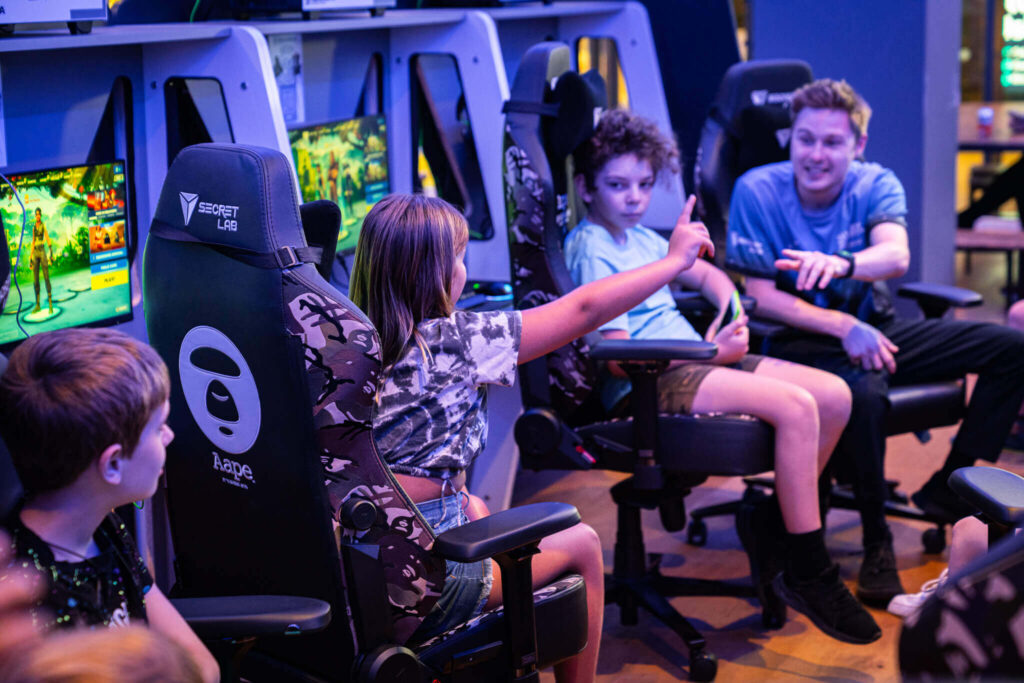
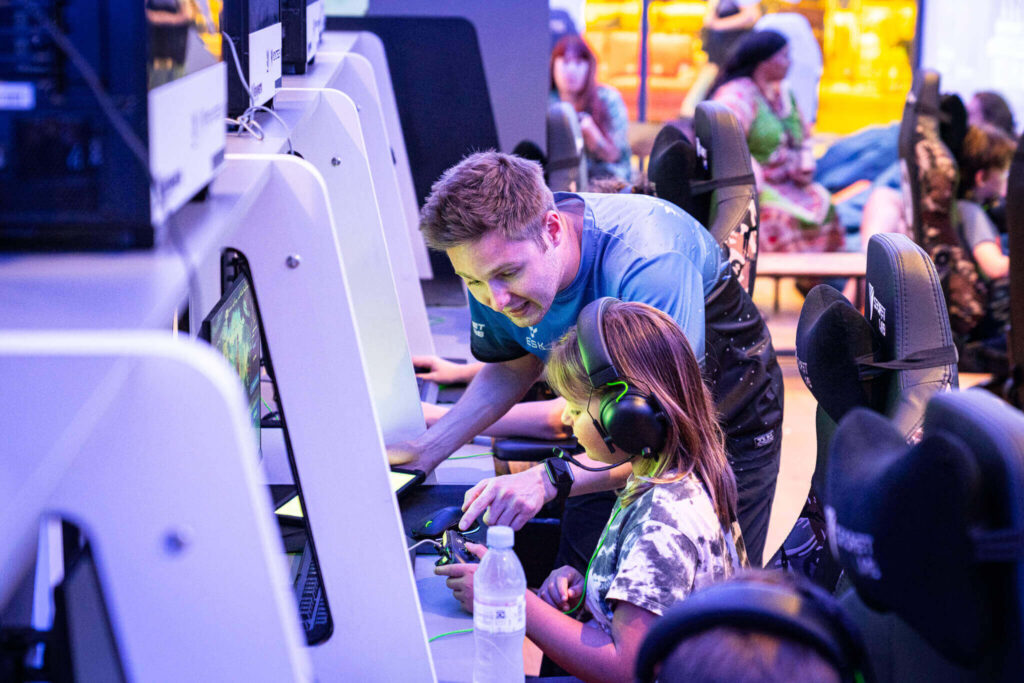
For most people, video games are a hobby confined to their sofa or worn-out gaming chair.
However, the world of professional gaming is more than just a leisurely pastime. It’s a fiercely competitive sport that can propel you to heights you never imagined. Each year, esports tournaments transform stadiums and arenas into battlegrounds, attracting dedicated fans to watch their revered pros battle it out for prize pools that often exceed millions of dollars.
For the uninitiated, esports events may seem peripheral – not mainstream, but enough people are interested to make something happen. While this was once true, rising investment in esports tournaments is pushing the industry forward rapidly. Summer 2024 will see the first Esports World Cup held in Riyadh, Saudi Arabia, featuring 19 video game titles and over $60 million in prize money.
The esports industry is becoming impossible to ignore. So, what are esports events, and why are they so important?
What do Esports Events Look Like?
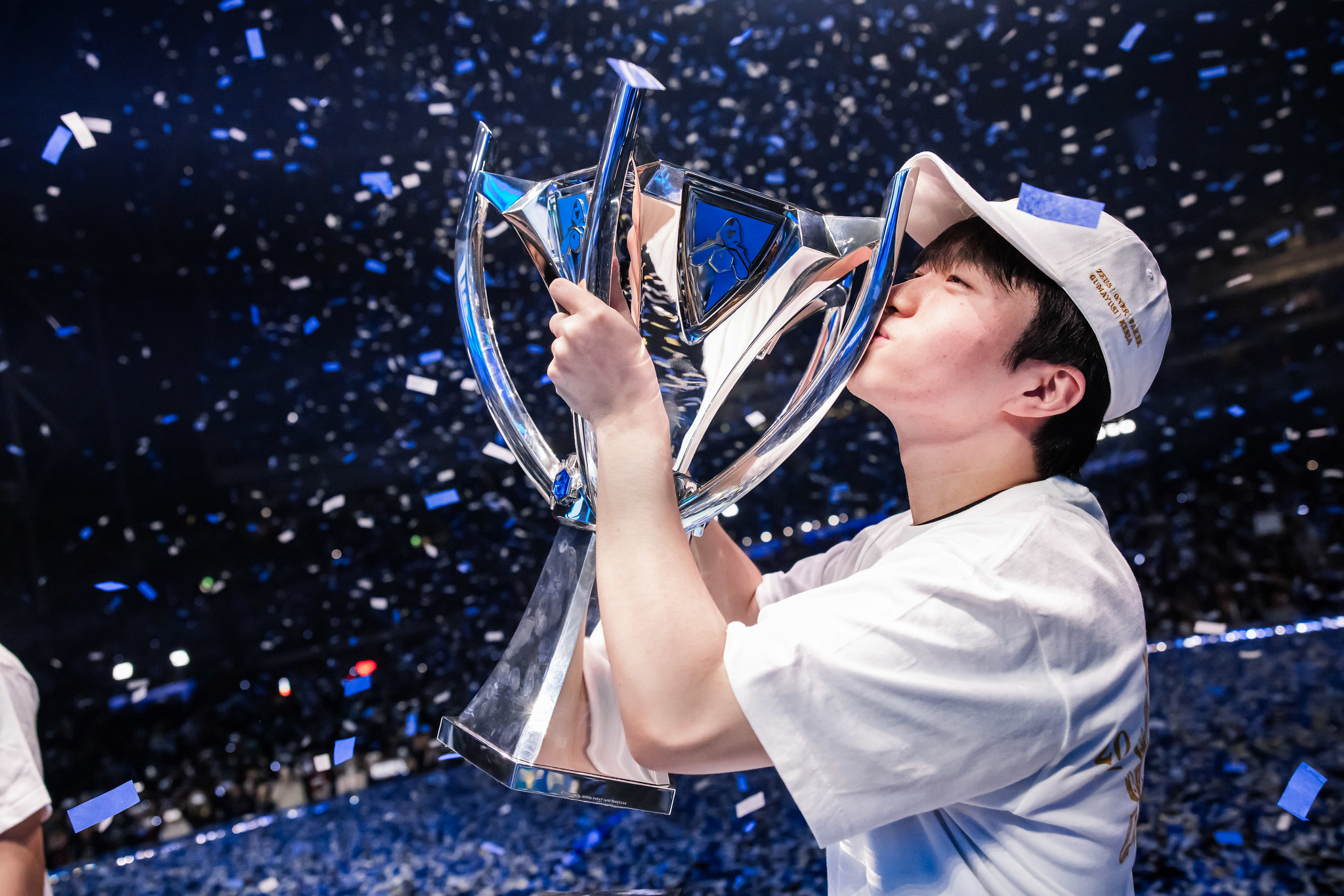
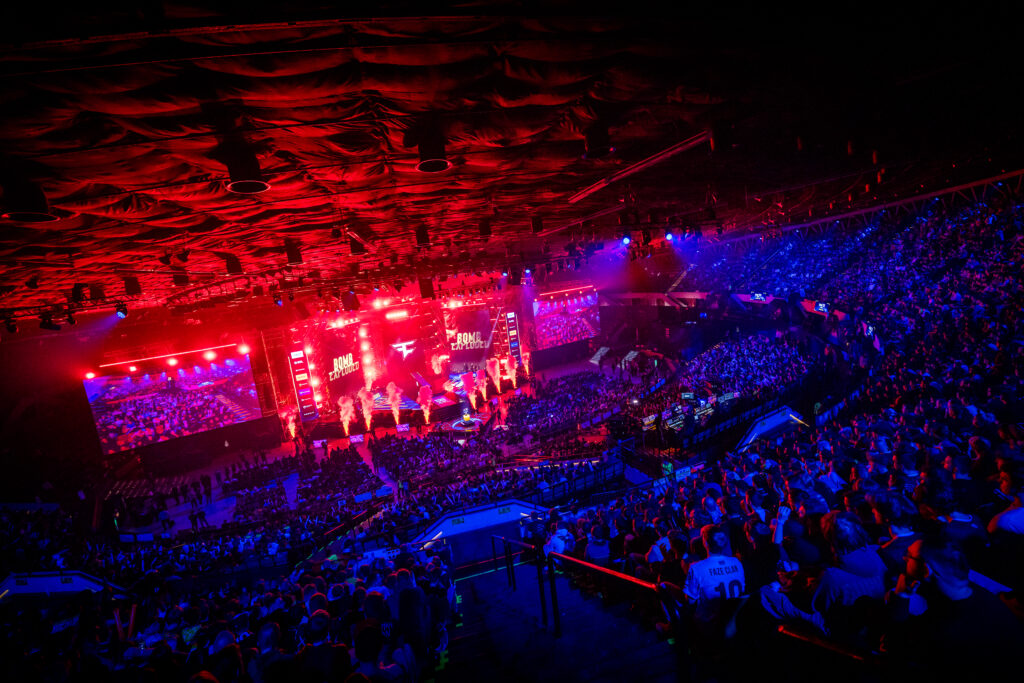
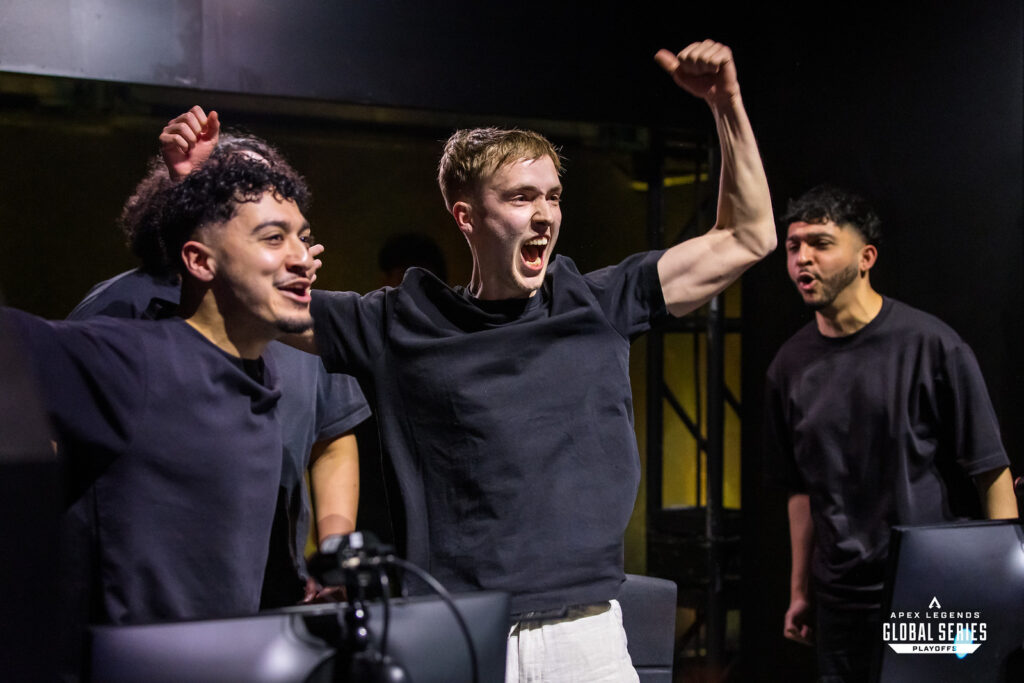
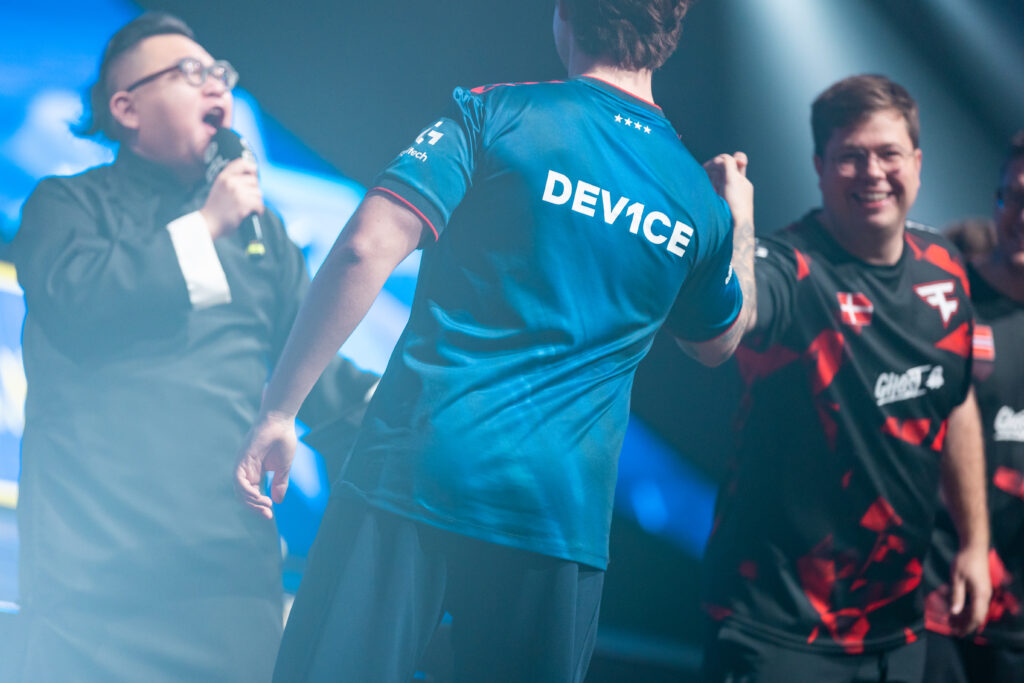
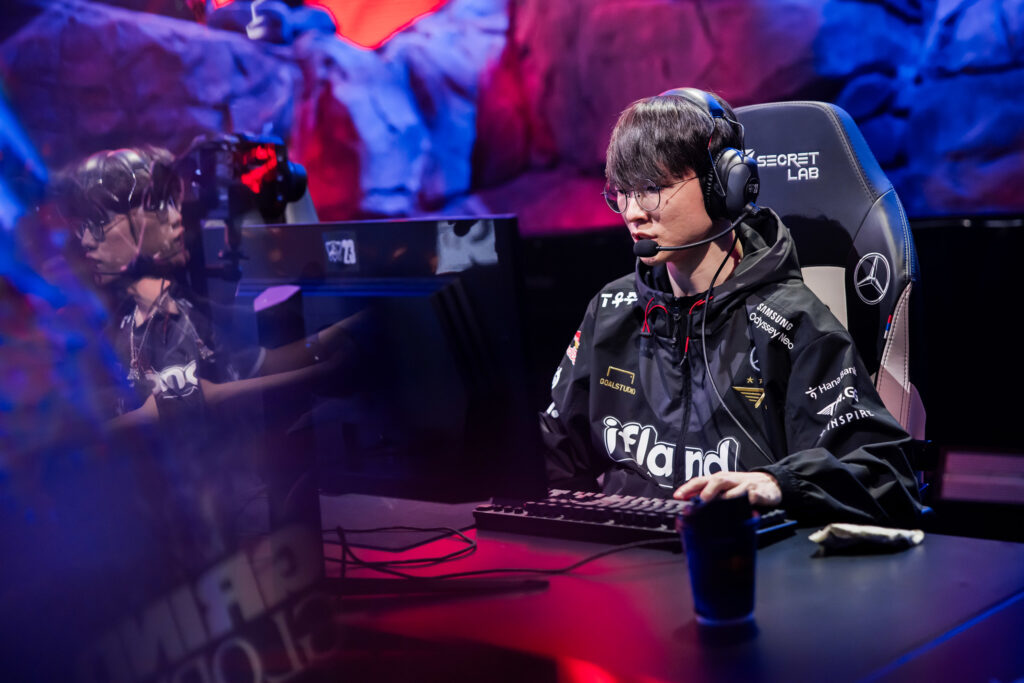
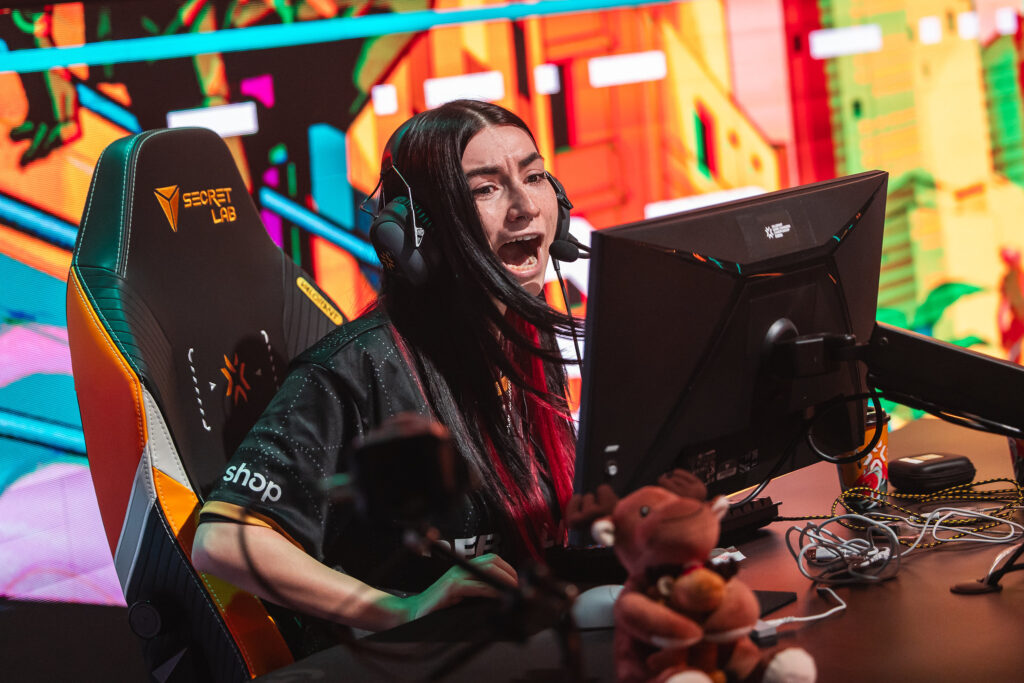
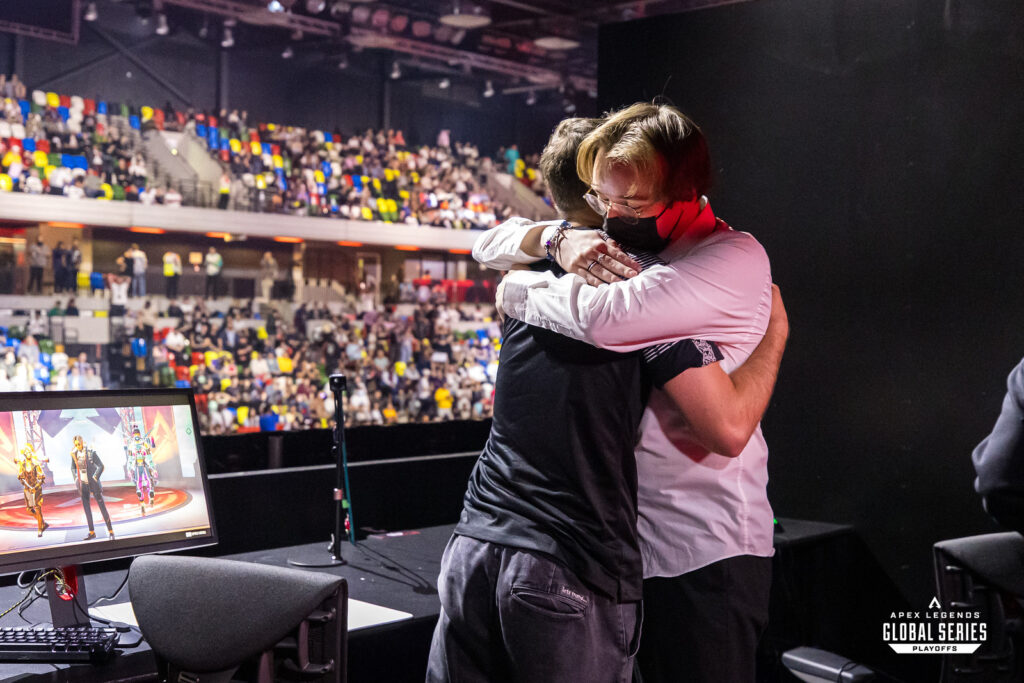
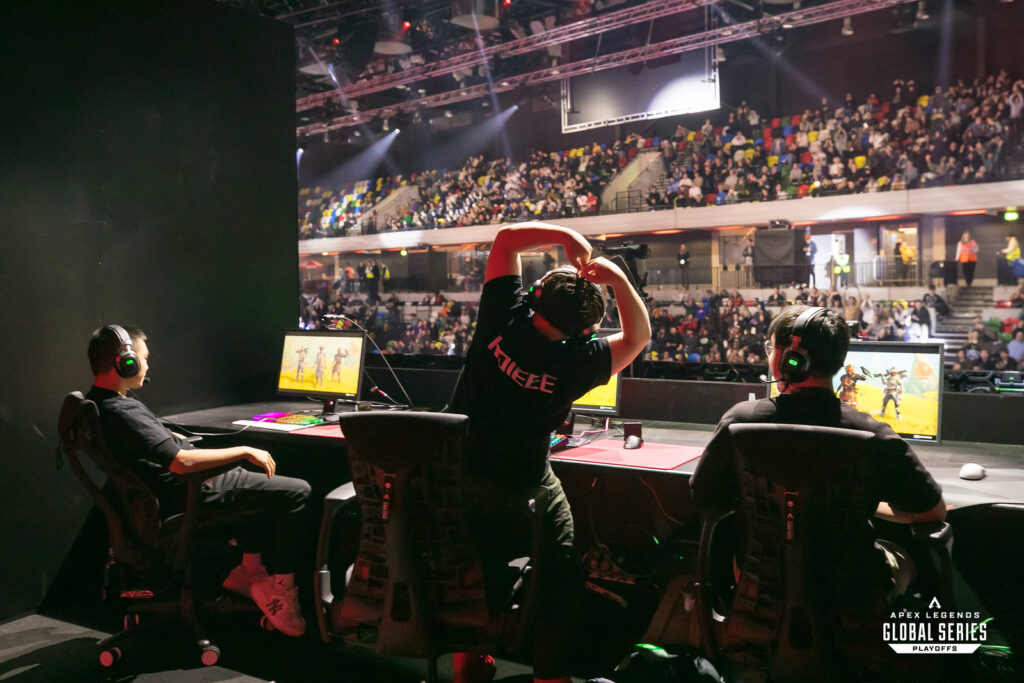
Esports Events are incredibly diverse and often adapt to the game featured. Most take a tournament format, where teams or individuals must make it through qualifying, group, bracket, and final stages to win a trophy. Transforming arenas and stadiums, the staging of these tournaments is often high-concept, extravagant, and atmospheric to match the game played.
Photo via ESLPhoto via Riot GamesPhoto via Riot Games
Like many traditional sports, esports also has grassroots leagues and tournaments. The industry finds its roots in BYOC (bring your own computer) tournaments that first began to draw communities together in small venues. These events still take place around the world. In the UK, Epic.LAN has hosted community esports tournaments for 20 years, featuring BYOC and stage events. Many players, esports event staff, and on-broadcast talent began their careers in such events, proving their immense value to the industry.
Who Competes in Esports Events?
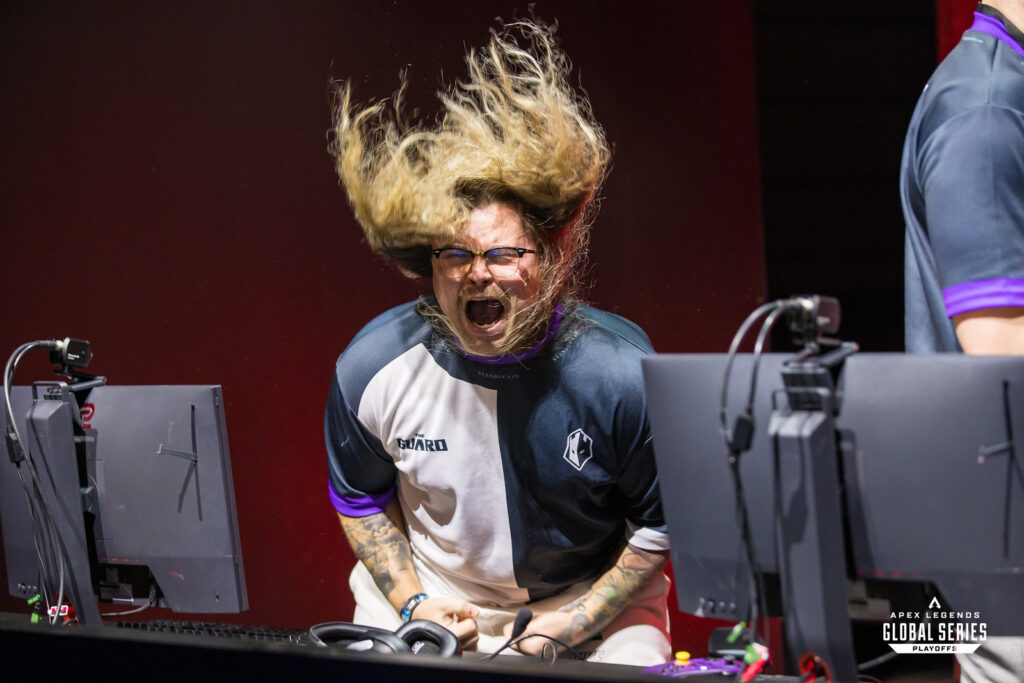
Anyone can become an esports pro if they have the skill, dedication, and passion to reach the top. Professional esports players must excel at understanding their game’s mechanics, learn to strategise under pressure, and work exceptionally well with others, especially in team-orientated games.
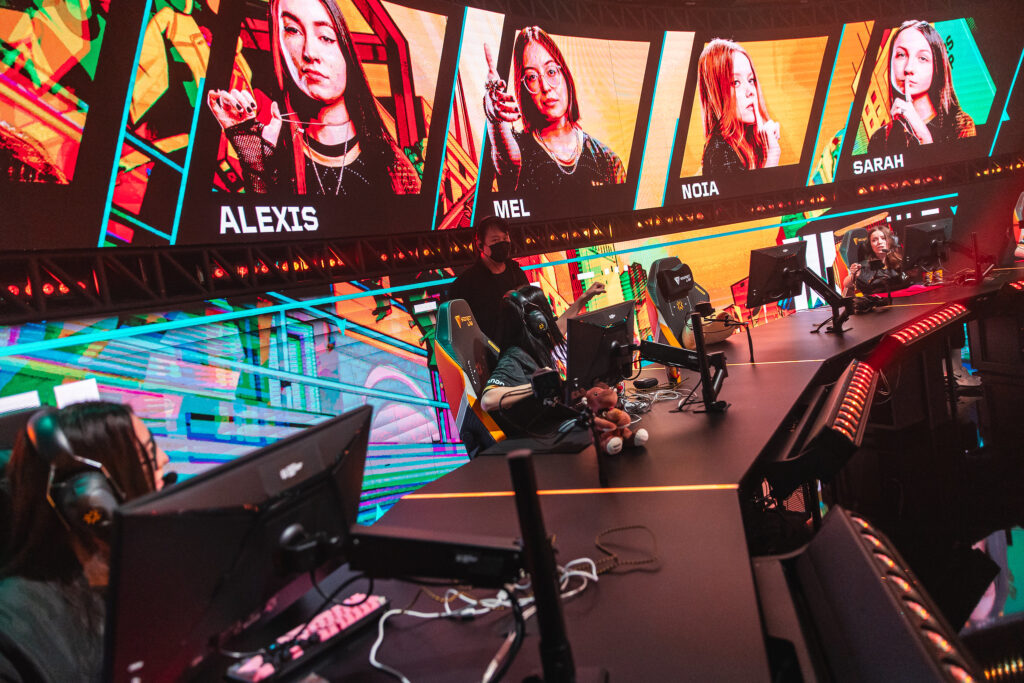
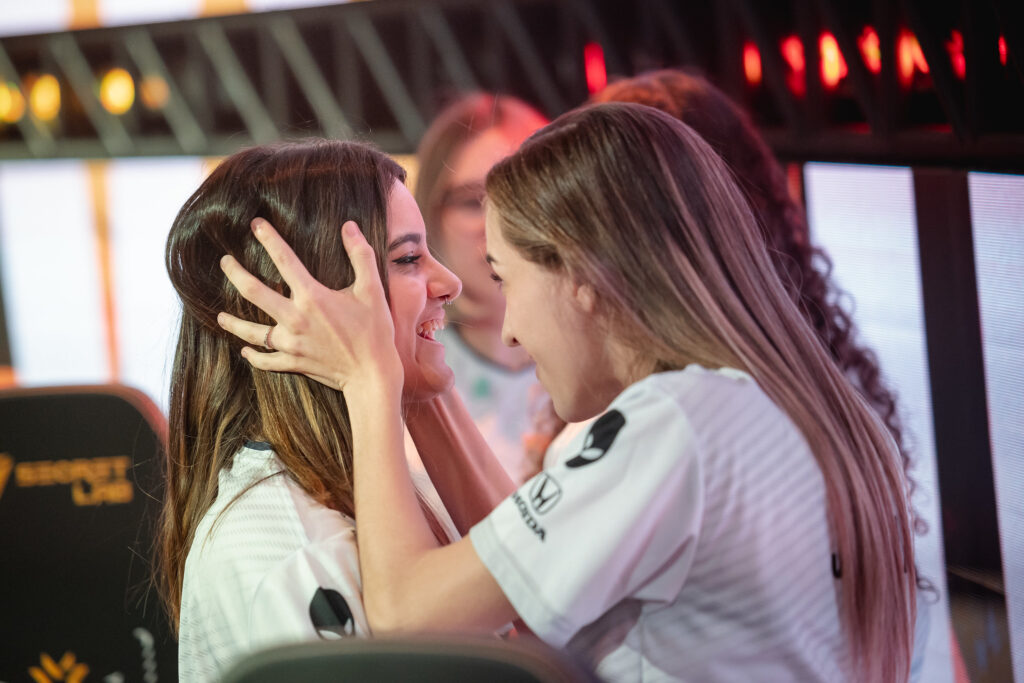
Photo by Joe Brady via EAPhoto via PGLPhoto via Riot GamesPhoto via Riot GamesPhoto via Riot GamesPhoto by Joe Brady via EA
Although esports is still male-dominated, many game titles have established additional tournaments, events, and programs to provide a space for women and non-binary players. In these leagues, they climb the ranks and gain competitive experience while inspiring the next generation of diverse gamers.
Why do people go to Esports Events?
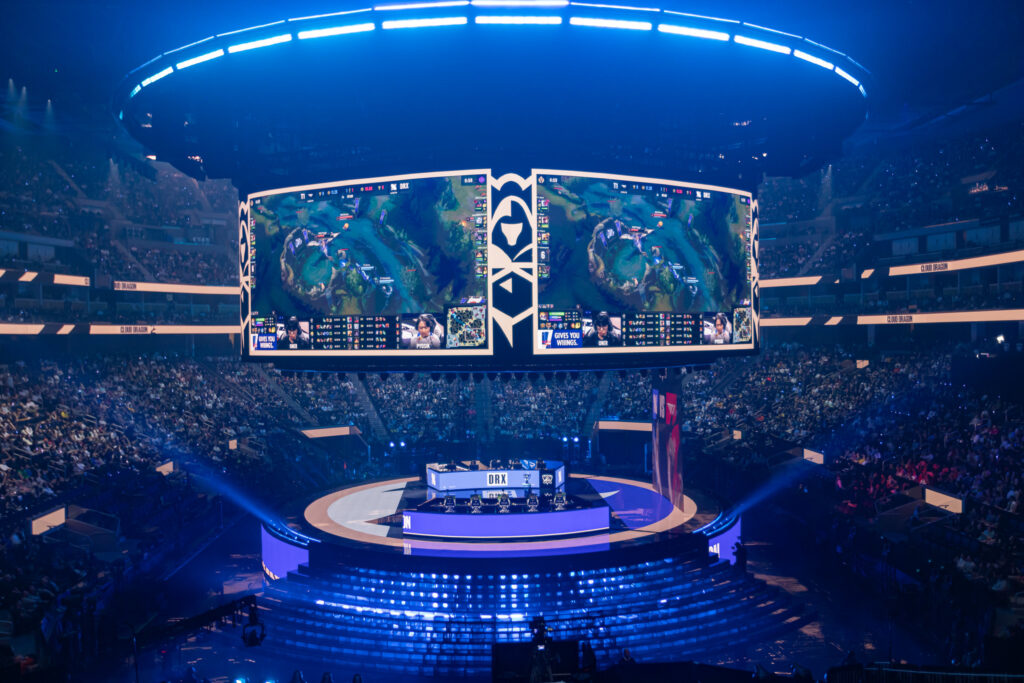
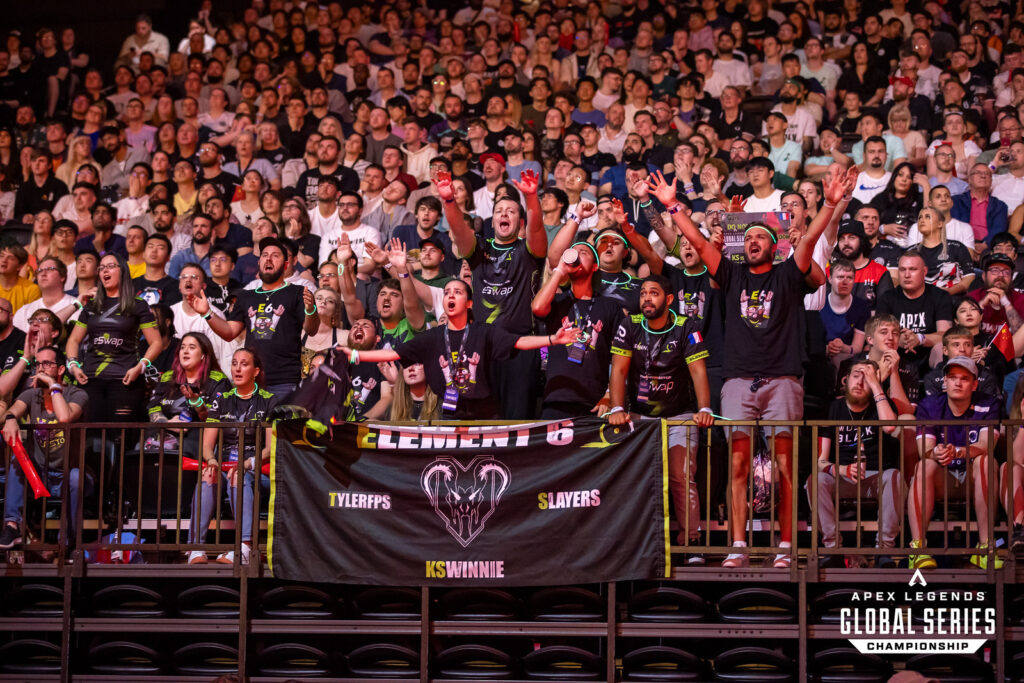
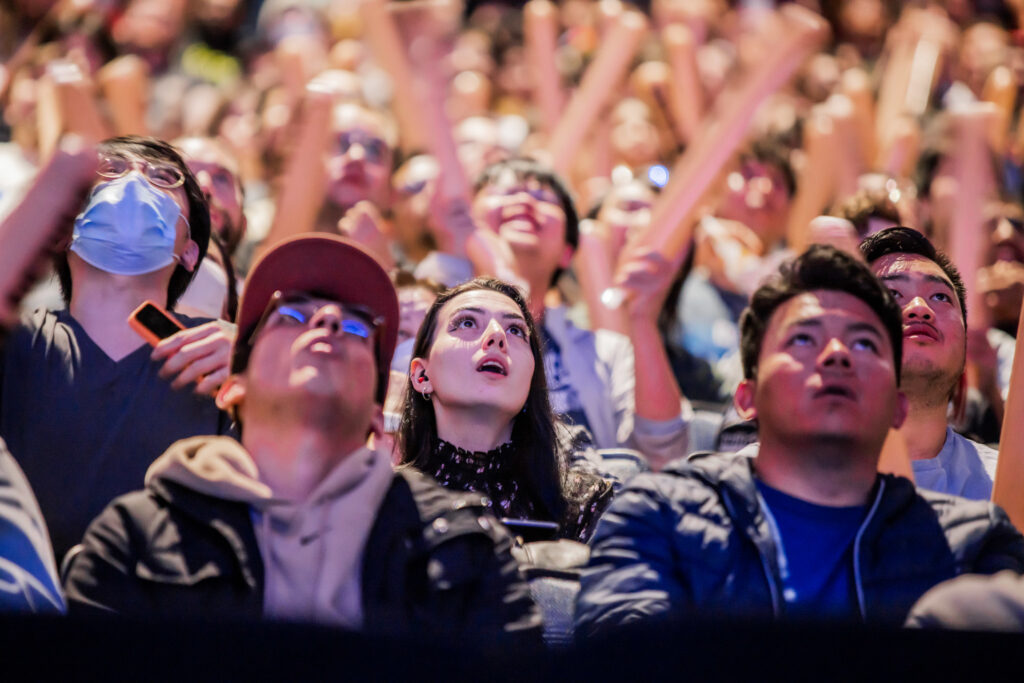
Although an online broadcast accompanies all major esports events, live events draw thousands of fans to sell-out stadiums to immerse themselves in the moment. However, attendees cannot see the PC screen, a perfectly coordinated broadcast switches between players, run by a team of observers and played on giant screens throughout the venue. Sound effects, vibrations, smoke, sparklers, and carefully curated lighting immerse the audience in the game, with each event tailoring its staging to its own gameplay.
Photo by Joe Brady via EAPhoto via Riot GamesPhoto via Riot Games
For many, esports events and tournaments are the heart and soul of competitive gaming. Communities unite from every corner of the globe to celebrate a shared passion, often spending days at a time dedicated to a tournament from its group stage to completion.
Whether you are a fan, content creator, pro, staff member, journalist, game developer, or cosplayer, there is something for you.
Recent posts
2025 Sep 5th
2025 Sep 5th
Beyond the Screen: Exploring Digital Safety and Game-Based Learning with Breck Foundation
In this latest podcast episode, Beyond the Screen – Digital Safety and Game-Based Learning, we sit down with the Breck Foundation‘s Erica Thornton to talk about one of the most important topics facing families today: how young people navigate their digital worlds. From...
Parent Stories: Turn a Love of Gaming into Social Skills
We’ve recently connected with Jeremy who has had his son coming in for 1-on-1 lessons at our academy. He describes his and his son’s experiences, and offers insight in how our lessons turn a Love of gaming into social skills. 1-on-1 Lessons that...
How Gaming is Transforming Support for SEN Learners at Play New Meta Academy
This Learning Disabilities Week, we’re highlighting the growing importance of support for SEN (Special Educational Needs) — and how gaming is becoming a powerful tool in that journey. At Play New Meta Academy, we combine the excitement of gaming with structured learning to...
Mastering the Meta – Parental Controls (Epic Games)
Your Guide to Managing Fortnite & Epic Games: Parental Controls Made Simple If your child is deep into Fortnite or other Epic Games titles, you’re not alone. These games are exciting, fast-paced, and full of social interaction—which is awesome, but it can also raise...
The Power of Play: Building Friendships Through Gaming
At Play New Meta Academy, one of the most common questions we hear — especially during trial sessions — is, “Will my child make friends here?” It’s a great question, and the answer goes straight to the heart of how we approach our...
Video games are a platform for individual enjoyment, competition, and social interaction. Many games are built on the foundation of teamwork, where each player’s role is crucial to achieving a common goal. This makes effective, efficient, and collaborative communication not just important, but essential.
However, the exhilaration and tension found within competitive games can begin to blur the lines between passionate exchange and toxicity. Curbing inappropriate online behaviour and damaging in-game conduct is a mission increasingly prioritised within the gaming and esports communities, and every individual plays a significant role.
Concerns surrounding in-game conduct are even more critical to address when children engage in competitive play. Understandably, parents would be particularly apprehensive about allowing their children to participate in these environments. The New Meta Academy appreciates these priorities, ensuring that effective and appropriate online communication is integrated into our competitive gaming-related classes.
For more information about online behaviour and the journey to positive in-game conduct, read through our rundown of what is being done within the gaming and esports communities and what you can do at home to create a safer online gaming environment.
The gaming industry’s journey towards toxicity management
Recent movements within the game design community have acknowledged and consolidated designers’ responsibility to guide and reinforce certain online behaviours. Conferences such as the GDC (Game Developers Conference) have held regular panels to discuss these responsibilities and how best to encourage responsible in-game interactions.
Community management roles have also gained increasing respect and importance within the gaming industry. Community Managers are employed to interact and establish online spaces for those playing a particular game to interact, exchange knowledge, and share their passion. Alongside this, Community Managers play a crucial role in helping to continue positive in-game relations and are often at the forefront of managing player concerns.
All video games involving in-game communication with others also feature report options. When players notice toxic or inappropriate behaviour, they can use in-game report functions to immediately relay the problematic interaction in question, which will then be reviewed. Toxic players can either have their accounts temporarily or permanently banned from the game.
Advertising healthy in-game interactions in esports
Competitive video game scenes such as Fortnite, League of Legends, and Apex Legends have also communicated publicly about the value of positive in-game interactions and behaviours. In 2023, Electronic Arts (publisher of Apex Legends and overseer of the Apex Legends Global Series) introduced their “Positive Player Award,” recognising professional gamers who’s attitude, performance, and support towards their teammates and wider community is exceptionally productive and constructive.
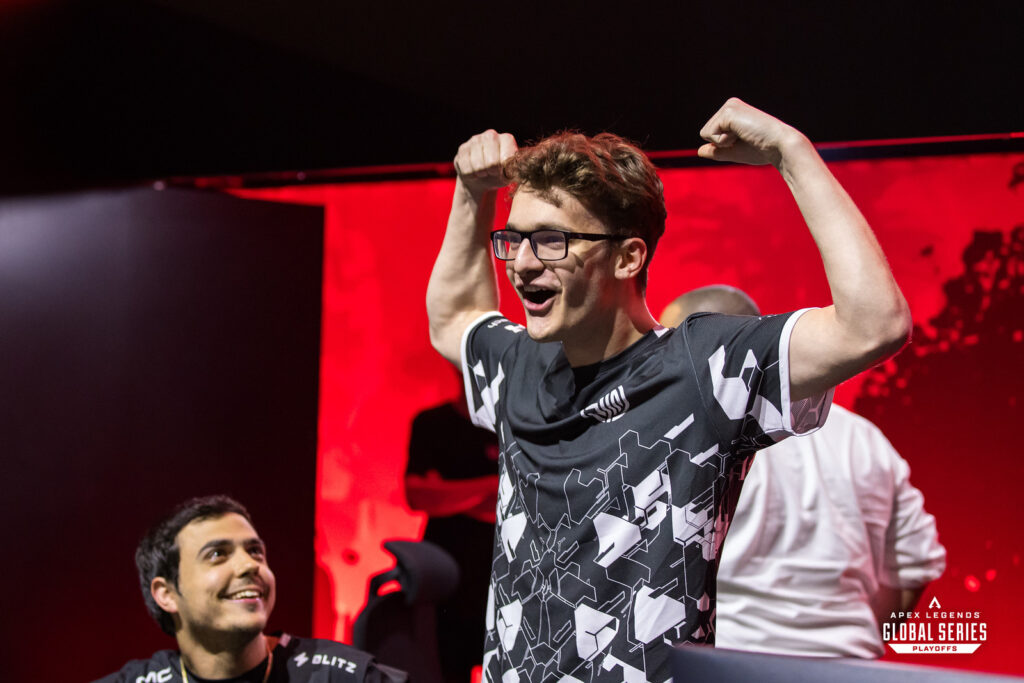
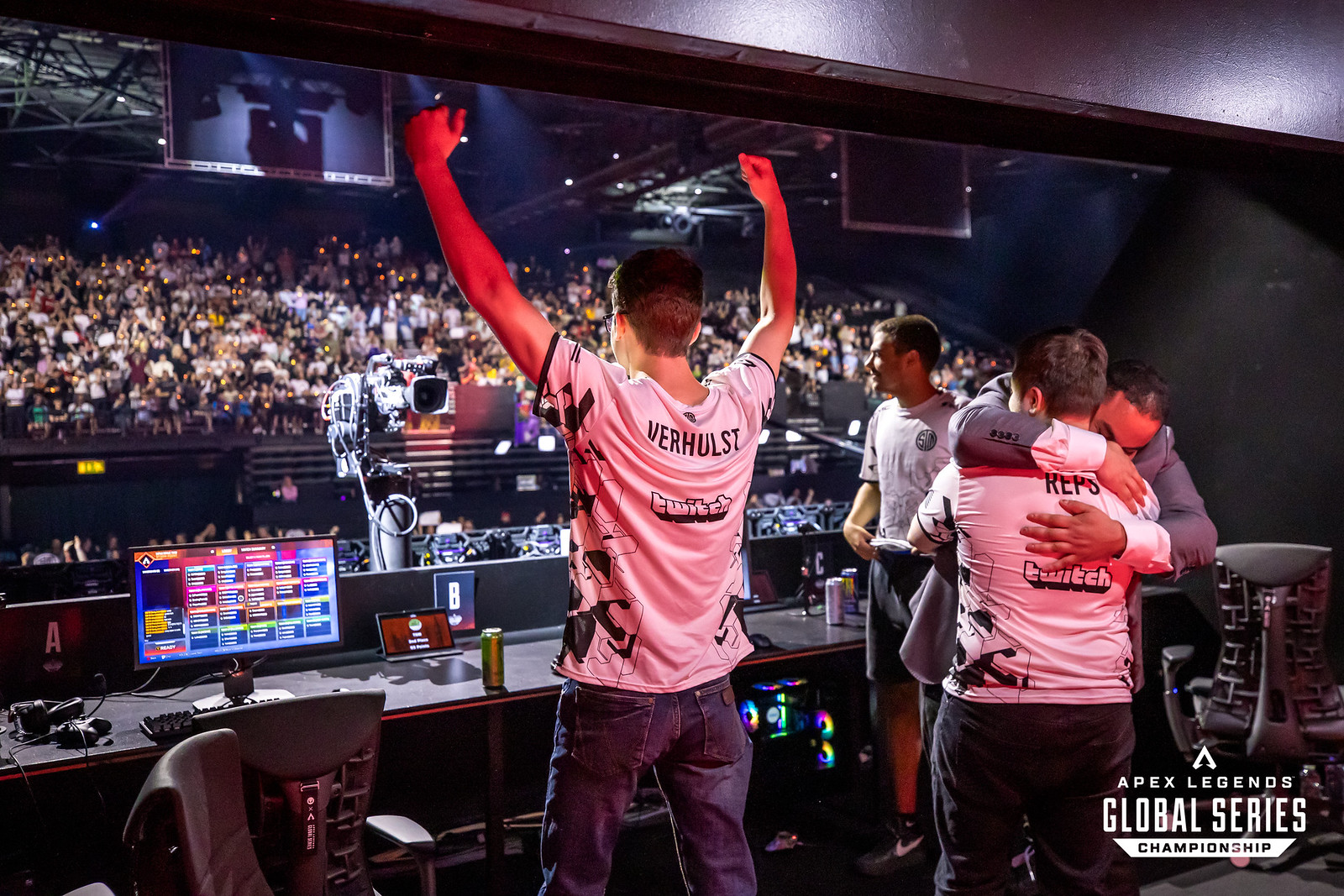
Evan “Verhulst” celebrating a win, while his teammate ImperialHal looks on in adoration
Their first award winner, Evan “Verhulst” Verhulst, is well known within the Apex Legends community for supporting every teammate, regardless of ability, rank, or competition. Whether he is participating in Pro-Am (professional’s competing with amateurs) tournaments or the Apex Legends professional league, he focuses on clear, effective, a productive communication to uplift those around him.
Highlighting and rewarding players such as Verhulst helps to promote the best forms of in-game conduct, exemplifying to children and adults alike how a great attitude can help you reach the top of your game.
How can you help your child maintain positive in-game communication and relationships?
Parents also play a crucial role in encouraging safe, positive interactions online. Although this may seem like a daunting task, there are simple steps you can take to help your child develop good in-game and online behaviours.
Check which games have parental controls! Games such as Roblox have features such as chat restrictions and parent pins, helping manage which content and features children can access.
When your child first starts playing a game, sit with them and find out where they can report inappropriate players or comments. This way, both of you know how this function works, as its placement can vary from game to game. If you are in doubt, Google is your friend! Many others will have searched for the same function. By sitting down and going through the process with them, they will feel more confident in reporting a player if they need to.
Encourage play with friends! Most cooperative or multiplayer games have an option to form a team or enter a game lobby with your friends. Find out the username of a friend who your child knows, and help them to connect their accounts. Most games have an easy friend feature so they can regularly join the game together.
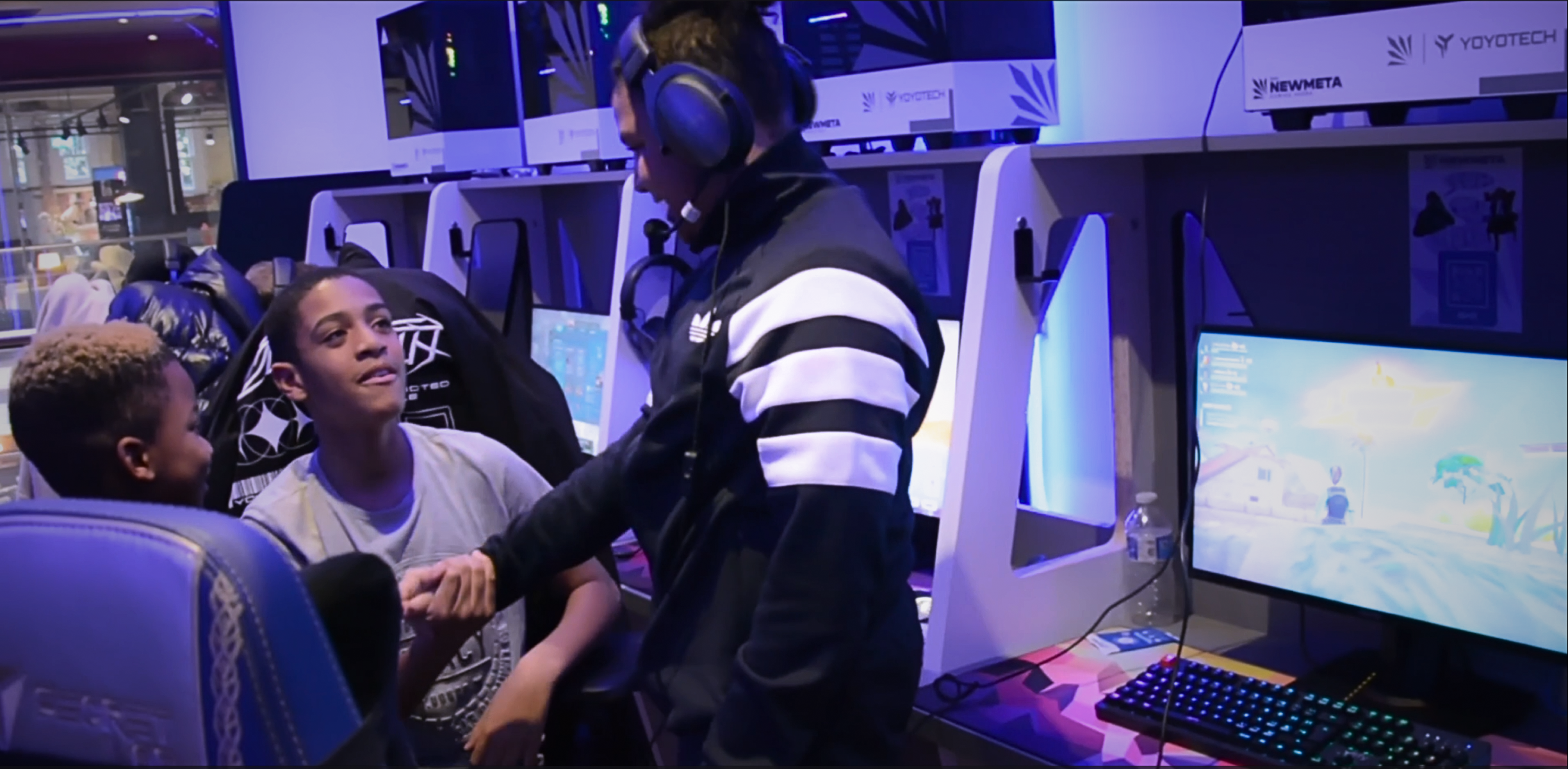
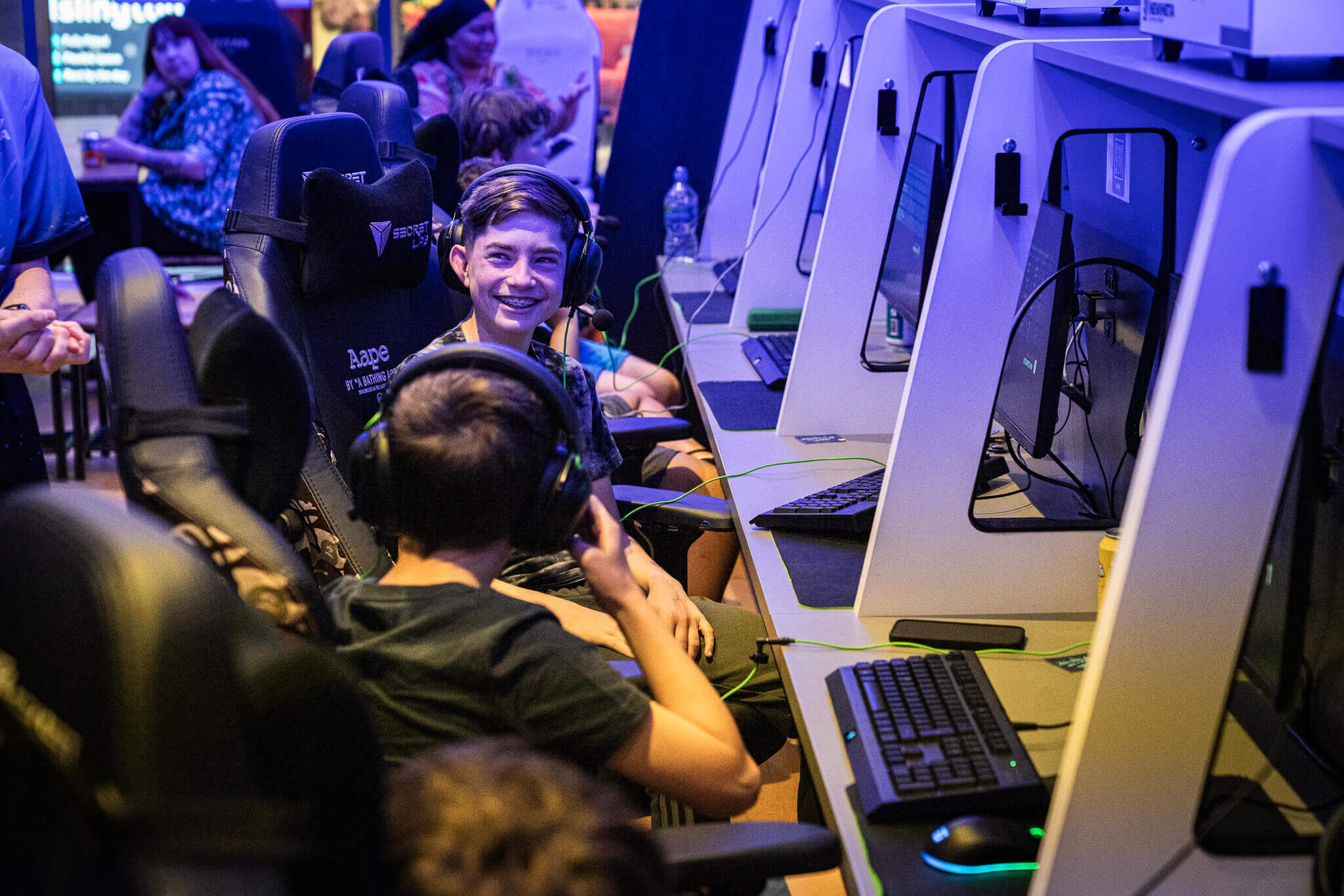
Where possible, visit gaming arenas such as New Meta and attend programs such as the New Meta Academy. Being able to interact with other gamers in person provides a helpful reminder that we are all people behind our screens!
If you can, hop into a game and learn some of the features yourself! Joining your child’s favourite game with them can be a fantastic way to encourage positive communication and connect with their passion. Fortnite, one of the most popular Battle Royale games, has relatively simple controls and is easy to learn. Why not give gaming a try?
Mental health charities for gamers
If anyone is struggling with their mental health, particularly if they are uncomfortable with interactions that have happened while gaming, there are several mental health charities that are set up by and run for gamers.
Safe in our World is a mental health charity dedicated to providing a wide range of resources for gamers struggling with their wellbeing. Their website features information about self-advocacy, anger management, depression, anxiety, sleep help, loneliness, and more. You can also access helplines directly from their site, sorted by region. Alongside their website, Safe in our World have a podcast where they discuss mental health in video games and the wider gaming industry.
TakeThis is a gamer-led mental health charity that partners with industry leaders, mental health professionals, and researchers to improve approaches to mental health within gaming communities. Their website features a helpline finding feature where people can find confidential advice lines in their region. Alongside this, they regularly post blog and article updates on their site with news and updated guidance relating to community mental wellbeing.
The Twisten Foundationwas established in memory of Czech esports professional Karel “Twisten” Ašenbrener by his family after he took his own life in June 2023 after struggling with his mental health. The foundation works to improve mental health support for teenagers in gaming, raising awareness about why increased support for young people is needed and researching how to best support them.
Knowing how to navigate an increasingly digital world can be daunting, but there are always people within the gaming community who are willing to guide you.
If you are concerned about you or your child’s online interactions and want more support, you can seek further guidance from the organisations above, or visit Play New Meta and speak to our staff – they will be more than happy to help!
Recent posts
2025 Sep 5th
2025 Sep 5th
Beyond the Screen: Exploring Digital Safety and Game-Based Learning with Breck Foundation
In this latest podcast episode, Beyond the Screen – Digital Safety and Game-Based Learning, we sit down with the Breck Foundation‘s Erica Thornton to talk about one of the most important topics facing families today: how young people navigate their digital worlds. From...
Parent Stories: Turn a Love of Gaming into Social Skills
We’ve recently connected with Jeremy who has had his son coming in for 1-on-1 lessons at our academy. He describes his and his son’s experiences, and offers insight in how our lessons turn a Love of gaming into social skills. 1-on-1 Lessons that...
How Gaming is Transforming Support for SEN Learners at Play New Meta Academy
This Learning Disabilities Week, we’re highlighting the growing importance of support for SEN (Special Educational Needs) — and how gaming is becoming a powerful tool in that journey. At Play New Meta Academy, we combine the excitement of gaming with structured learning to...
Mastering the Meta – Parental Controls (Epic Games)
Your Guide to Managing Fortnite & Epic Games: Parental Controls Made Simple If your child is deep into Fortnite or other Epic Games titles, you’re not alone. These games are exciting, fast-paced, and full of social interaction—which is awesome, but it can also raise...
The Power of Play: Building Friendships Through Gaming
At Play New Meta Academy, one of the most common questions we hear — especially during trial sessions — is, “Will my child make friends here?” It’s a great question, and the answer goes straight to the heart of how we approach our...
Video games are often considered to be a safe outlet for neurodivergent individuals to escape the pressures and stresses of everyday life, providing a form of escape to a safe environment over which they have greater control. As a result, 41% of children with Autism Spectrum Disorder (a common form of neurodivergence) spend most of their free time playing video games.
This increased representation of neurodivergent individuals in the gaming world is also seen in the video game industry, where 18% of game developers in the UK identify as neurodivergent compared to 15% of the overall UK population.
Therefore, providing safe, positive, and supportive environments for neurodivergent gamers is vital to helping them explore the benefits of video games and the many places games can take them. At the New Meta Academy, we have been exploring how to make our space accessible for everyone, no matter what challenges they face on a day-to-day basis.
What is neurodivergence, and why is it important?
Neurodivergence refers to the natural differences in brain development and how our brains function. Diagnosed neurodivergent conditions include Autism (also known as Autistic Spectrum Disorder or ASD), ADHD (Attention Deficit Hyperactivity Disorder), Dyslexia, Dyspraxia, and Dyscalculia. When considering how to make our space as accessible as possible, at the New Meta Academy we are focusing particularly on supporting individuals with ASD and ADHD, as these tend to provide the most challenges for our Academy students.
Understanding neurodivergence and how people experience the same environment in different ways is important. Some people may find bright lights, loud music, and potent smells disturbing, distracting, or off-putting, preventing them from enjoying and relaxing in a particular space. Identifying and acknowledging these barriers helps us to plan how to help those who may find our space at the New Meta Academy overwhelming.
How are we increasing accessibility for neurodivergent children at the New Meta Academy?
We spoke to Oscar from the New Meta Academy to discover how we are maintaining accessibility for neurodivergent children in the present and our plans to increase accessibility in the future.
So what are safe spaces, and how do they help our kids?
Safe spaces are areas that our kids can retreat to whenever things are getting too much – if they are becoming overwhelmed or facing whatever triggers they might have. They are places where they can go to take care of themselves, with their parents if necessary too. Ultimately, it’s just a safe haven where they can go inside each of our lessons.
What are our passports, and how do they help us get to know our kids and their needs before they show up for their first class?
Our passports are an intermediary between the children and the coaches. When they first arrive, during their inductions, we have a collaborative session between them, the coach, and their parents. This is so we can understand the child and their needs as best as possible. So, if they do end up feeling overwhelmed, we understand how best to deal with that. It is essentially a record to help us collaborate as best as possible with that child. In the event that we do need to bring their stress down a couple of levels, maybe because of a meltdown or a shutdown, they can go to the safe space, and we can take care of them in a way that they appreciate.
How do we help kids feel more familiar with the space before they arrive?
The first and most important thing to help encourage familiarity with the space is ultimately for them and their parents to come to the New Meta Academy and have a tour themselves, right? We want you to experience our environment, whether it be the sounds or any smells, which we as staff may not notice but can be more of a trigger for others.
We want you to be able to experience as many of these as possible so you can let us know why this may or may not be the right place for you, and we can understand how to mitigate any concerns before the first trial session.
How are coaches prepared to best manage children’s individual needs?
First and foremost, every coach has a DBS verification. We make sure they are well equipped to deal with young people. There are also certain procedures that help us in more or less any given situation.
When it comes to neurodiversity training, this is something that we are very keen on doing. This is a way for us to open our eyes to things that neurotypical people may not be as sensitive to, such as certain smells or sounds that we don’t understand or realise are there until they are explained to us. It is a way for us to become more sensitive to problems or objects that may hinder our students from getting the best possible outcome for their learning.
What can you do if you want to access our space, but you or your child face challenges due to neurodivergence?
The first step to ensuring we can help you and your child feel comfortable with us is to tell us how best to accommodate any particular needs you may have, particularly requirements you or your child may have due to neurodivergence. We want to work with neurodivergent individuals to ensure they can benefit from gaming and learning here just like anyone else.
If you plan on bringing your child to a trial class at the New Meta Academy, we allow people to disclose any support and access needs when they sign up. You are also highly encouraged to contact our Academy via email or phone so that staff members can tailor their approach to you or your child’s visit as accurately as possible to what you need.
We welcome guidance and feedback from anyone from any background who uses our space.
Recent posts
2025 Sep 5th
2025 Sep 5th
Beyond the Screen: Exploring Digital Safety and Game-Based Learning with Breck Foundation
In this latest podcast episode, Beyond the Screen – Digital Safety and Game-Based Learning, we sit down with the Breck Foundation‘s Erica Thornton to talk about one of the most important topics facing families today: how young people navigate their digital worlds. From...
Parent Stories: Turn a Love of Gaming into Social Skills
We’ve recently connected with Jeremy who has had his son coming in for 1-on-1 lessons at our academy. He describes his and his son’s experiences, and offers insight in how our lessons turn a Love of gaming into social skills. 1-on-1 Lessons that...
How Gaming is Transforming Support for SEN Learners at Play New Meta Academy
This Learning Disabilities Week, we’re highlighting the growing importance of support for SEN (Special Educational Needs) — and how gaming is becoming a powerful tool in that journey. At Play New Meta Academy, we combine the excitement of gaming with structured learning to...
Mastering the Meta – Parental Controls (Epic Games)
Your Guide to Managing Fortnite & Epic Games: Parental Controls Made Simple If your child is deep into Fortnite or other Epic Games titles, you’re not alone. These games are exciting, fast-paced, and full of social interaction—which is awesome, but it can also raise...
The Power of Play: Building Friendships Through Gaming
At Play New Meta Academy, one of the most common questions we hear — especially during trial sessions — is, “Will my child make friends here?” It’s a great question, and the answer goes straight to the heart of how we approach our...
Esports, short for electronic sports, has become a global sensation. Competitive video games have transformed from a passionate pastime to an over $1.38 billion industry. From packed stadiums to online streaming platforms, millions of fans worldwide tune in to watch professional gamers compete in various popular video game titles.
Those who have only recently discovered the esports industry’s scope may be surprised that its history stretches far before the 2000s when competitive video games began to represent the system we see today. The first-ever video game tournament was held in the 1960s, and by 1978, the world had experienced its first international competition hosted by Atari.
As the esports industry grew from the internet boom in the 1990s to the present digital age, it developed many of the core structures seen in traditional sports. Roles such as coach, physiotherapist, player agent, team manager, analyst, presenter, journalist, and PR agent all exist within the esports ecosystem at various professional levels.
So, if you are new to the world of esports and want to learn more, where do you start?
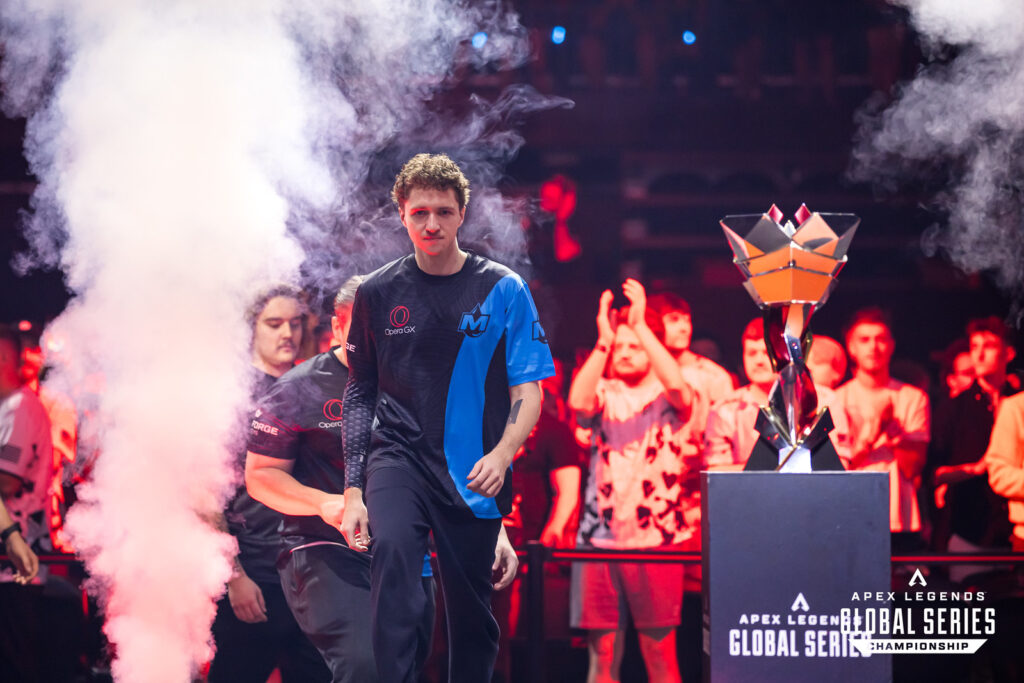
Players walk onto the stage at an Apex Legends Championship. Photo by Joe Brady via Electronic Arts
Esports building blocks – what is the esports ecosystem?
There is a lot of diversity within esports. Many different competitive games have their ecosystems, running different styles of competitive seasons and regular tournaments. However, some fundamental building blocks to the esports ecosystem can help you understand how the industry works.
Publishers
All video games have a publisher. This is the company that publishes video games developed either internally or by a separate developer (which can be an individual, small group, or a larger company). Publishers often finance or help finance the video game development process and are responsible for distributing the game once it is published. Publishers are also often responsible for paying for any licences used by the game, advertisement, and managing the esports scene attached to competitive games.
Publishers can also be split into three main groups:
AAA Game Publishers. These publishers are responsible for high-budget, tech-forward, and high-distribution video games. Competitive AAA games almost always have a corresponding esports scene.
Indie Game Publishers. Indie games usually focus on creativity and originality with a lower budget and more specific audience. Sometimes, indie games like Among Us or Lethal Company become viral sensations. However, indie games rarely have a corresponding esports scene.
Mobile Game Publishers. Mobile games are video games made specifically for smartphones or tablet devices. Games such as CandyCrush fall under this category. Some mobile games have esports scenes, such as PUBG Mobile, Mobile Legends Bang Bang, and Arena of Valor.
Some video game publishers let external companies manage their esports scenes. For example, Counter-Strike esports is largely managed by companies like EFG, Blast, and PGL rather than the game’s publisher, Valve. However, others take a hands-on approach to their games’ esports scenes – for example, Riot Games tightly controls who runs official tournaments for their esports titles.
Organisations and teams
To have a competitive ecosystem, you need professional players. These gamers are talented enough to compete with the best of the best, often training every day to win even the toughest competitions.
Most professional players are signed to an organisation. There are many esports organisations worldwide. Some focus on and invest in specific esports scenes, while other larger organisations sign teams or players across several games. Esports organisations are similar to a football or rugby team—they sign, train, and trade players, paying them a salary and providing them with the necessary equipment and support to reach their full potential.
Examples of famous esports teams include G2, Team Vitality, TSM, T1, and Team Liquid. Some traditional sports teams and famous athletes also invest in esports. For example, footballer David Beckham, F1 driver Lando Norris, and basketball icon Michael Jordan have stakes in esports teams. On top of this, Manchester City FC, Wolves FC, and PSG FC all own esports players and teams.
Players, coaches, and teams are at the heart of esports organisations. Photo by Joe Brady via Electronic Arts
Events and tournaments
The next fundamental building block to the world of esports is events. Esports events are the pinnacle of a game’s competitive season and are usually held in person at a LAN (Local access network event).
Here, teams of professional esports players compete against each other in front of a live crowd. Large prize pools are often up for grabs, and the teams will progress through a tournament format. Some games, such as Fortnite, also have solo players competing against each other.
There are several different types of tournaments and events within esports. The following are the most common:
Battle Royale Tournaments. Battle Royale games are where individuals or teams compete in a “lobby” (group of players or teams) to be the last standing. These games are usually shooters, where players must eliminate one another while traversing a game map. These esports tournaments often have upwards of sixty players competing on the stage.
MOBA Tournaments. “MOBA” stands for “Multiplayer Online Battle Arena.” In MOBA tournaments, two teams of players compete against one another on a predefined battlefield, controlling one character each and working strategically together to achieve a common goal before the opposing team. Both teams interact with one another on the battlefield, often engaging in team fights to take control of the game.
Tactical Shooters. These highly strategic games involve tactical planning and usually require impressively accurate aim. Teams usually have five players, and only two teams compete against one another at a time. The primary goal is to eliminate the other team while working towards an opposing goal, with one side having an aim (for example, to plant a bomb) and the other trying to stop them from succeeding (preventing a bomb from being planted or diffusing it).
Events and tournaments are usually the thrilling conclusions of a game’s regular season (where games are played online). The regular season resembles a regular football season, whereas the offline LAN tournaments resemble a football cup’s quarterfinal, semifinal, and final stages.
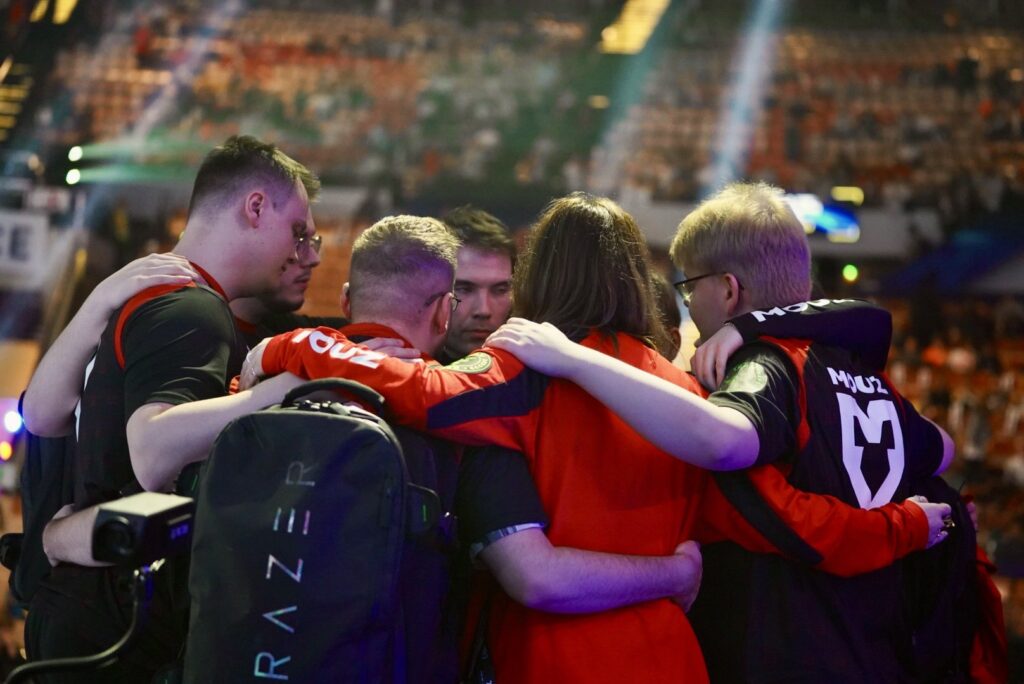
A team huddle during a Counter-Strike (tactical shooter) tournament in Poland. Photo via ESL
What careers can you find within the esports industry?
Just like traditional sports, esports offers a wide range of career options. No matter where your strengths lie, the esports industry likely has a role that would suit you!
Many esports career paths fit within three different areas of the industry: Professional teams/organisations, tournament and event organisation, and media.
Professional Teams/Organisations
Potential roles:
Professional esports athlete
Coaching staff (including esports analyst)
Physio and Psychotherapy
Player management
Finance, budgeting, and organisation management
Professional esports teams and organisations range in size from grassroots (smaller, more locally influential) to Tier One (larger, competing on a regional and international level). Grassroots organisations are often a great place to build experience in team roles.
Many colleges and universities also have esports teams. Young people can compete in student leagues and tournaments such as NSE (National Student Esports) and NUEL (National University Esports League) events. Although some UK universities now offer esports degrees, it is also possible to gain esports-related experience while also studying mainstream subjects.
Tournament and Event Organisation
Potential roles:
Event/project management and event direction
Technical director/producer
Videographer
Audio Engineer
Lighting design/operation
Observer (directing which players are shown on broadcast)
Digital broadcasting
Stage host/interviewer
Casting (esports commentary)
Tournament admin/referee
Esports events complete the competitive calendar, where teams battle on stage to win a coveted title. Whether an event is a BYOC (Bring Your Own Computer) tournament or a packed stadium, an extensive team collaborates to bring the magic alive. From audio and lighting to broadcasts and being on screen, an incredible variety of work is involved in setting the stage for players.
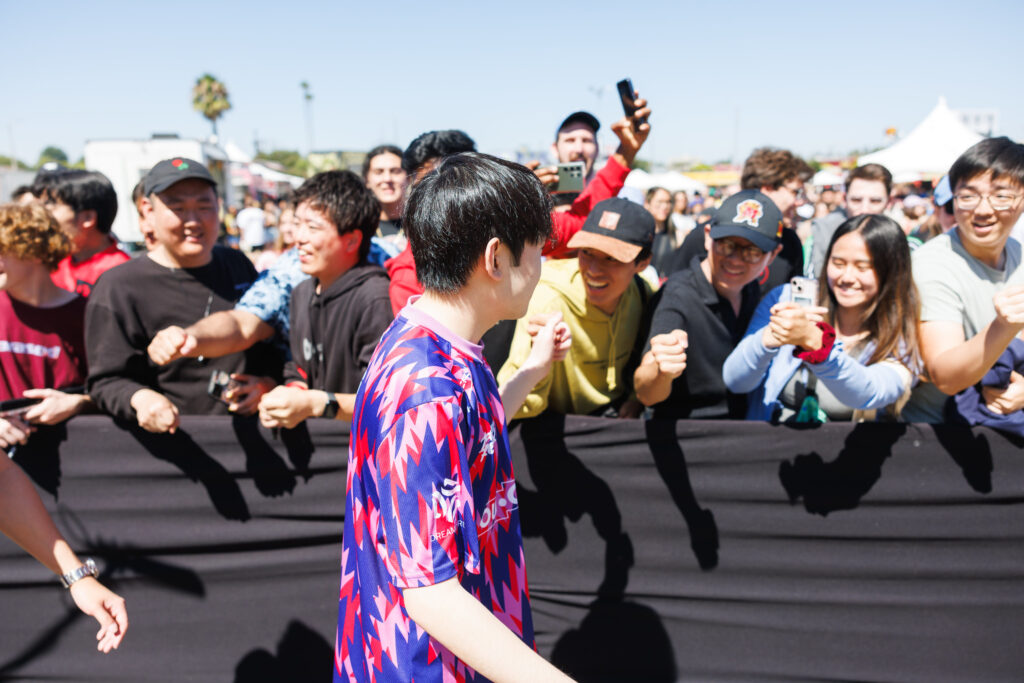
An esports player makes a heart gesture to their fans in the crowd. Image by Joe Brady via Electronic Arts
Media
Potential roles:
Social media management
Content creation
Journalism
Public relations
Marketing
Gaming and esports-based media has rapidly become an industry within its own right. YouTube, Twitch, and other social media platforms have led to the rise of gaming influencers like PewDiePie, Markiplier, and Ninja. The growth of esports events has also led to the founding of esports and gaming-specific news outlets such as Dot Esports, Esports.gg, and Dexerto. Alongside media influencers and outlets, Public Relations agencies will often specialise in the esports and gaming industries, assisting with events marketing, organising content creation across organisations, and arranging player interviews with media outlets.
Why should you pay attention to the esports industry?
The universal appeal of gaming makes both the current size and potential future of esports astronomically significant. Over hundreds of years, we witnessed the progression of sports pastimes, which inevitably led to competition to find the best, most skilled, and most accomplished athletes. Now, we are seeing a condensed, fast, and exciting progression in gaming, accelerated by how easy it is to connect talented gamers from around the world digitally.
In an increasingly online world, esports is also at the forefront of digital culture. How many pop culture phenomena have stemmed from video games? The answer is too many to count. Even some of our most popular TV series in recent years, such as The Last of Us, found their origins in video games.
Who knows where the world of gaming and esports will take you? It is a fresh, new industry with so much to explore. Why not start your journey with us at the New Meta Academy.
Recent posts
2025 Sep 5th
2025 Sep 5th
Beyond the Screen: Exploring Digital Safety and Game-Based Learning with Breck Foundation
In this latest podcast episode, Beyond the Screen – Digital Safety and Game-Based Learning, we sit down with the Breck Foundation‘s Erica Thornton to talk about one of the most important topics facing families today: how young people navigate their digital worlds. From...
Parent Stories: Turn a Love of Gaming into Social Skills
We’ve recently connected with Jeremy who has had his son coming in for 1-on-1 lessons at our academy. He describes his and his son’s experiences, and offers insight in how our lessons turn a Love of gaming into social skills. 1-on-1 Lessons that...
How Gaming is Transforming Support for SEN Learners at Play New Meta Academy
This Learning Disabilities Week, we’re highlighting the growing importance of support for SEN (Special Educational Needs) — and how gaming is becoming a powerful tool in that journey. At Play New Meta Academy, we combine the excitement of gaming with structured learning to...
Mastering the Meta – Parental Controls (Epic Games)
Your Guide to Managing Fortnite & Epic Games: Parental Controls Made Simple If your child is deep into Fortnite or other Epic Games titles, you’re not alone. These games are exciting, fast-paced, and full of social interaction—which is awesome, but it can also raise...
The Power of Play: Building Friendships Through Gaming
At Play New Meta Academy, one of the most common questions we hear — especially during trial sessions — is, “Will my child make friends here?” It’s a great question, and the answer goes straight to the heart of how we approach our...
Can esports positively impact your child’s development? Despite the widespread negativity directed towards gaming in the mainstream media, studies prove that esports can absolutely be beneficial to developing positive behaviours in children. In fact, a 2013 BBC article extensively reported on the benefits of video games, relaying the results of several scientific studies that demonstrated positive cause-and-effect relationships between video games and key cognitive functions, abilities, and skills.
Video games require a vast range of cognitive skills. Team-orientated games such as Fortnite, League of Legends, Dota 2, and Apex Legends also require a high degree of communication. Through competitive video games, your kids can actively work on developing these skills with their friends in a comfortable, engaging, and competitive environment.
What skills can your child build through esports coaching?
Cognitive Skills
Video games regularly pose cognitive challenges. For example, a game like League of Legends or Dota 2 requires you to strategise throughout the game, choosing certain items or abilities to collect depending on your strategic approach. On the other hand, a first-person shooter game (FPS) such as Fortnite often requires quick and confident decision-making under pressure.
Additionally, all games require a degree of problem-solving. For example, gamers must decide where to land on a map to gain the best advantage, which strategy can effectively counter another, or how to navigate an obstacle in the way of success. Children can benefit greatly from being presented with these challenges and encouraged to navigate them both independently and cooperatively.
The application of these skills extends far beyond the world of video games. For example, meeting and overcoming challenges is a great way to build confidence. Learning to approach new challenges in a familiar environment such as a favourite video game can help build the confidence necessary to overcome challenges in new, unfamiliar scenarios.
Social Skills and Navigating Online Relationships
It is time to dispel the myth of gaming being an isolating activity – video games have an incredible ability to connect people in striving for a common goal. Any team-orientated video game, from League of Legends to Fortnite, requires consistent communication and collaboration. Encouraging children to develop their teamwork within an engaging game makes the process of learning to work collaboratively far more exciting.
Many parents have concerns about their children’s social skills after losing crucial opportunities to the Covid-19 pandemic. Many kids found comfort in video games during this time. Bringing them into physical spaces to continue enjoying activities that are familiar is a great way to maintain their confidence while encouraging them to socialise in a new environment.
Practising online communication in a supervised environment is also increasingly important for children in the digital age. According to the World Economic Forum, the amount of jobs that can be worked remotely is expected to rise by 25% by 2030. Navigating online conversation and collaboration will be more vital than ever before. Gaming online can help increase familiarity with these forms of communication, and children can learn appropriate online behaviour with guidance from our coaches at the New Meta Academy.
Brain Development
Video games can even play a part in crucial aspects of brain development. Competitive games’ fast-paced nature helps children improve their reaction times, attention span, memory, hand-to-eye coordination, and spatial reasoning. To win a game, they must multitask, paying attention to their teammates while ensuring they stay on the ball and alert for the next action.
Through this combination of actions, children can also develop improved cognitive flexibility. This refers to their ability to quickly and effectively switch between tasks and adjust their behaviour to different situations. Cognitive flexibility is a particularly crucial development stage for children between 7 and 9 years old, and it continues to improve through their teenage years. At the New Meta Academy, we cater to children from the age of 6 to 16 and support them in this journey.
How can we support you and your child to achieve your goals?
Creating a safe and supportive environment for gamers is at the heart of New Meta. Our gaming studio was founded to create a space for passionate players of all ages to develop their skills amongst friends. Now, the New Meta Academy brings kids from 6 to 16 the added encouragement, positive environment, and professional guidance to take their skills above and beyond.
Cognitive skills, social skills, and brain development are all incredibly important to your children as they learn to navigate an increasingly digital world. We not only give your child space to explore their gaming passion, but we also find ways to help them use video games as an outlet to improve their lives.
We are always excited to welcome new students into the academy! To learn more about the Play New Meta Academy and sign up for a trial class, click the link below!
Beyond the Screen: Exploring Digital Safety and Game-Based Learning with Breck Foundation
In this latest podcast episode, Beyond the Screen – Digital Safety and Game-Based Learning, we sit down with the Breck Foundation‘s Erica Thornton to talk about one of the most important topics facing families today: how young people navigate their digital worlds. From...
Parent Stories: Turn a Love of Gaming into Social Skills
We’ve recently connected with Jeremy who has had his son coming in for 1-on-1 lessons at our academy. He describes his and his son’s experiences, and offers insight in how our lessons turn a Love of gaming into social skills. 1-on-1 Lessons that...
How Gaming is Transforming Support for SEN Learners at Play New Meta Academy
This Learning Disabilities Week, we’re highlighting the growing importance of support for SEN (Special Educational Needs) — and how gaming is becoming a powerful tool in that journey. At Play New Meta Academy, we combine the excitement of gaming with structured learning to...
Mastering the Meta – Parental Controls (Epic Games)
Your Guide to Managing Fortnite & Epic Games: Parental Controls Made Simple If your child is deep into Fortnite or other Epic Games titles, you’re not alone. These games are exciting, fast-paced, and full of social interaction—which is awesome, but it can also raise...
The Power of Play: Building Friendships Through Gaming
At Play New Meta Academy, one of the most common questions we hear — especially during trial sessions — is, “Will my child make friends here?” It’s a great question, and the answer goes straight to the heart of how we approach our...
If you couldn't find the course that fits your child's current gaming interest, we welcome you
to make a suggestion down below. You'll hear from us should we add the game of your choice in
the future!
Trial Class Registration
If this is your first time trying out the Academy, use code
TRIAL
Copied
at checkout to register for the Trial Class for
Free
Please note, anyone looking to attend Trial Class is expected to attend or cancel at least 24 hours
in advance. Spaces are limited and when booking and not attending you are taking an opportunity away
from someone else. We kindly ask our attendees to take attendance
seriously. The code is active for 2 applications in case you need to reschedule, once
used up a Trial Class will be charged at our standard Pay-as-you-go rates of £25/£30 per lesson.